
November 11, 2025
Many wonder if dental sealants can protect their teeth after getting fillings. The short answer? Yes! Even if you have fillings, dental sealants can add an extra layer of protection to keep cavities from forming in other areas of your teeth.
What Are Dental Sealants?
Dental sealants are thin, protective coatings applied to the chewing surfaces of your molars. These back teeth have deep grooves that easily trap food and bacteria, making them more vulnerable to decay. Sealants fill in these grooves, creating a smooth surface that helps prevent cavities. Many parents take their children to a pediatric dentist in West Jordan for sealants because they provide long-term cavity protection. However, adults can benefit from them too!
Can You Get Sealants If You Have Fillings?
Yes! Having a filling doesn’t disqualify you from getting sealants. While fillings repair areas of decay, sealants help prevent new cavities from forming on other parts of the same tooth or neighboring teeth. If your molars still have deep grooves that are cavity-prone, a pediatric dentist may recommend sealants to keep them healthy.
Benefits of Getting Sealants Even with Fillings
- Extra Cavity Protection – Even after a filling, your tooth remains susceptible to future decay. A sealant acts as a shield against plaque buildup.
- Saves Time and Money – Preventing cavities means fewer trips to the pediatric dentist and less need for future fillings.
- Quick and Painless Application – The sealant process takes only a few minutes per tooth and requires no drilling or discomfort.
- Long-Lasting Results – Sealants can last up to 10 years, giving your teeth long-term protection.
Who Should Get Sealants?
Sealants work best for kids and teens who are still developing good oral hygiene habits. However, adults with cavity-prone teeth can also benefit. If you already have fillings but want to prevent future decay, ask your pediatric dentist whether sealants are a good option for you.
The Sealant Application Process
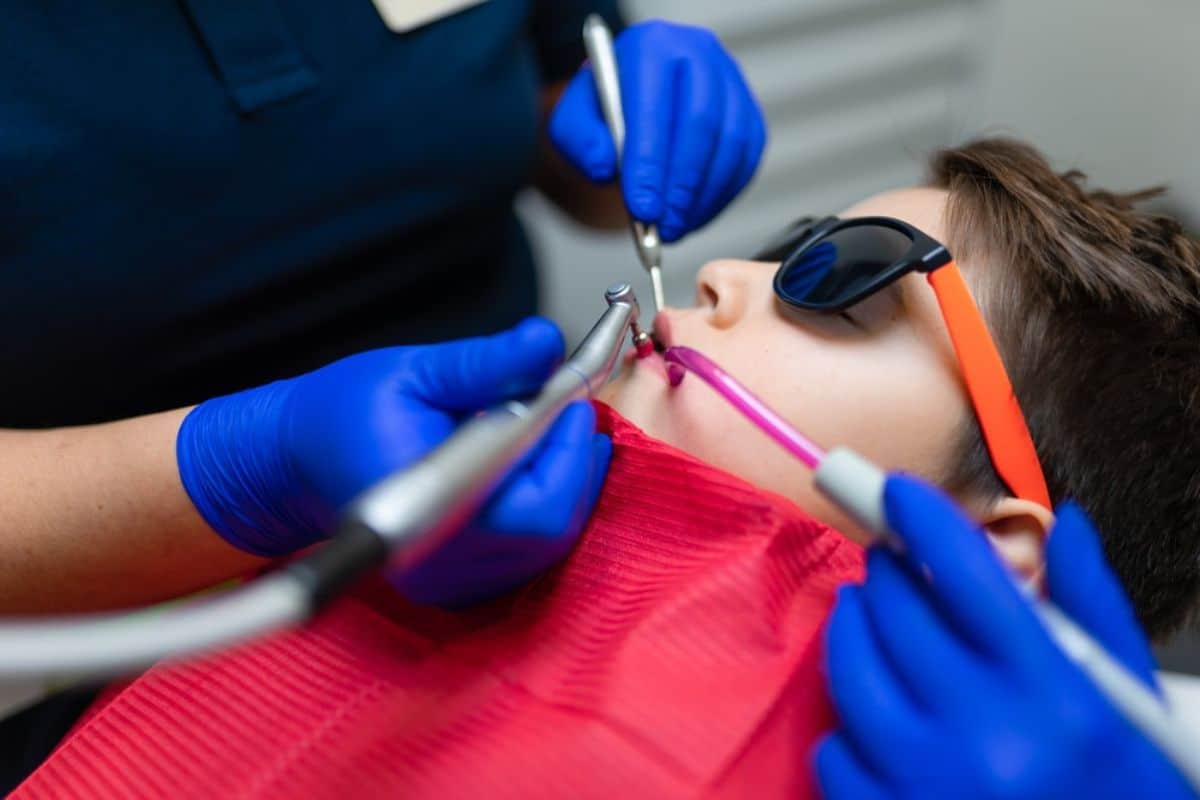
Getting sealants is a quick and straightforward process. Here’s what to expect:
- Cleaning the Tooth – The pediatric dentist cleans and dries the tooth before applying the sealant.
- Preparing the Surface – A mild acid solution roughens the tooth’s surface to help the sealant bond properly.
- Applying the Sealant – The pediatric dentist paints the sealant onto the grooves of the molar.
- Curing with Light – A special curing light hardens the sealant in seconds.
Are There Any Risks?
Dental sealants are safe and effective, with minimal risks. Some people worry about BPA exposure, but the amount in sealants is extremely low—far lower than everyday exposure from food and drinks. If you have existing fillings, your pediatric dentist will ensure the sealant is applied correctly to avoid trapping bacteria.
If you have fillings but still want extra protection against cavities, dental sealants can be a smart choice. They provide a simple, painless way to safeguard your teeth and avoid future dental problems. Talk to your pediatric dentist to see if sealants are right for you. Keeping your smile healthy has never been easier!