
May 5, 2026
A dental emergency can affect baby teeth and growing permanent teeth more than many parents realize. Even though baby teeth eventually fall out, injuries, pain, swelling, or damage should never be ignored because they can affect speech, eating, comfort, and even the way adult teeth develop. Quick care can help protect your child’s oral health and reduce the risk of long-term problems, especially when families seek help from an emergency dentist.
At our dental clinic in West Jordan, parents often ask whether a chipped baby tooth, knocked-out tooth, or sudden tooth pain needs immediate care. The answer depends on the situation, but fast attention matters more often than people think.
Why Baby Teeth Matter More Than Many Parents Think
Some parents assume baby teeth are temporary and therefore less important. In reality, baby teeth play an important role in a child’s growth. They help children chew comfortably, learn to speak clearly, and hold space for permanent teeth. When a child experiences a tooth injury or oral injury, damage to a baby tooth may sometimes affect the tooth developing underneath. In some cases, untreated problems can lead to infection, discomfort, or alignment concerns later on.
For example, if a baby tooth becomes badly damaged after a fall, the surrounding tissue and developing tooth beneath it may also be affected. This is why emergency dental care for children is often recommended after accidents.
Common Dental Emergencies in Children
Kids are active, which means accidents can happen during sports, playground activities, biking, or even running around at home.
Here are some of the most common situations that may need urgent dental attention:
Chipped or Broken Teeth
A chipped tooth may look minor at first, but deeper cracks can expose sensitive areas and lead to pain or infection. Whether it affects a baby tooth or a growing permanent tooth, it is important to have it checked.
In some cases, children may not immediately complain about discomfort, making a professional exam even more important.
Knocked-Out Baby Teeth
Parents often panic when a baby tooth gets knocked out. While permanent teeth are sometimes replanted, baby teeth are usually handled differently.
Trying to place a baby tooth back into the mouth can sometimes damage the developing adult tooth underneath. A pediatric dental professional can assess the injury and decide the safest next step.
Loose or Shifted Teeth After an Injury
If a tooth suddenly feels loose or appears pushed out of position after a fall, this may indicate trauma to the tooth or surrounding bone.
Growing permanent teeth are especially important to monitor because movement or impact can affect development.
Toothaches and Swelling
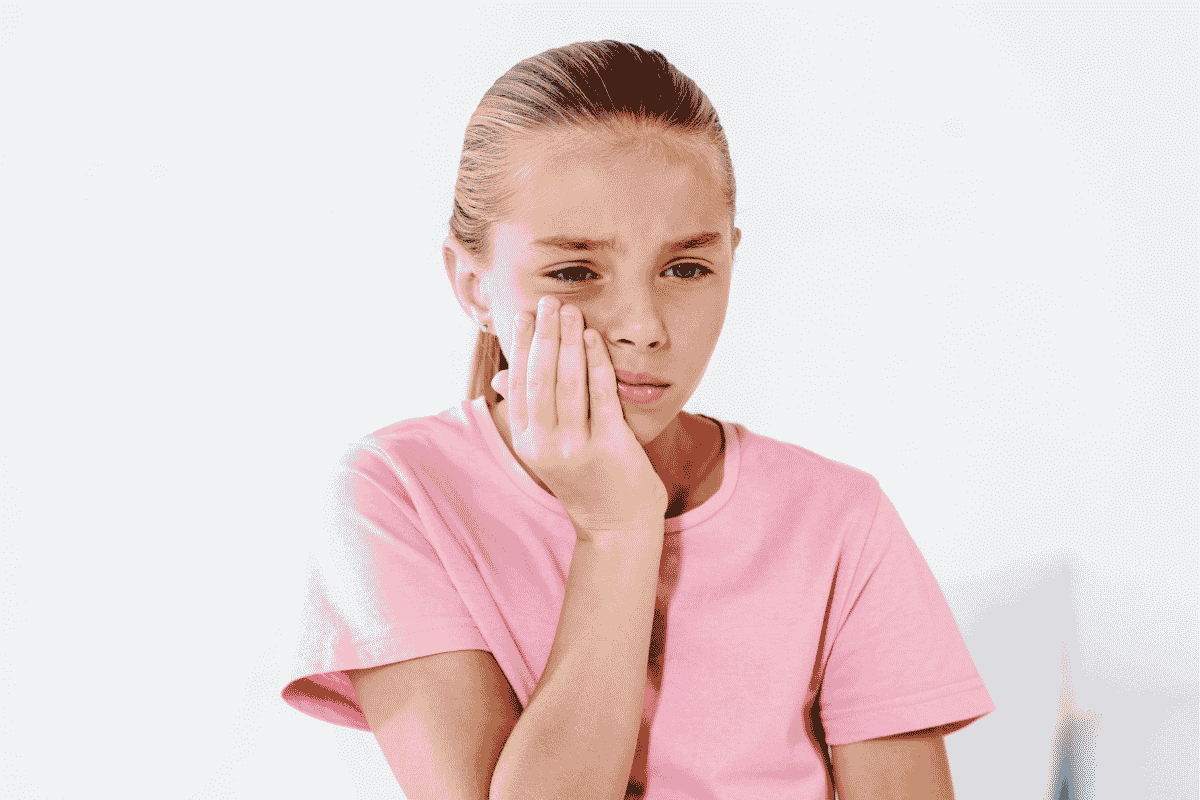
Not every dental emergency comes from an accident. Sudden tooth pain, swelling, gum irritation, or facial tenderness may point to decay, infection, or inflammation.
Pain that wakes a child up at night, swelling around the gums, or sensitivity when chewing should not be ignored.
How Dental Emergencies Affect Growing Permanent Teeth
Growing teeth are still developing beneath the gums in younger children and continue maturing even after they erupt.
An untreated emergency involving a baby tooth may sometimes influence how permanent teeth appear later. Depending on the injury, children may experience:
- Changes in tooth color
- Delayed eruption of adult teeth
- Enamel defects on permanent teeth
- Changes in tooth positioning
- Ongoing discomfort or sensitivity
When permanent teeth are directly injured, prompt treatment becomes even more important because these teeth are meant to last for life.
Seeing a trusted emergency dentist for kids in West Jordan quickly can help reduce the chance of lasting complications and provide peace of mind for families.
What Parents Should Do During a Dental Emergency
Knowing how to react can make a big difference. Understanding the basics of helping kids from dental emergencies gives parents more confidence when unexpected injuries, swelling, or sudden tooth pain happen.
Here are simple first steps parents can follow:
Stay Calm and Check the Injury
Children often respond to a parent’s reaction. Gently inspect the mouth for bleeding, broken teeth, swelling, or changes in tooth position.
Rinse the Mouth Carefully
Use lukewarm water to gently clean the area and remove dirt or blood after a fall or accident.
Reduce Swelling
A cold compress placed outside the mouth or cheek may help ease swelling and discomfort.
Save Broken Tooth Pieces
If part of a tooth breaks, place the fragment in a clean container and bring it to the dental office.
Seek Prompt Evaluation
When pain, bleeding, swelling, or tooth movement occurs, professional care matters. Emergency dental visits help identify problems that may not be visible right away.
When Is It Truly an Emergency?
Parents sometimes wonder if they should wait or call immediately. You should contact a pediatric dental office if your child has:
- Persistent tooth pain
- Swelling in the gums or face
- A cracked or broken tooth
- Bleeding that does not stop
- A loose, displaced, or knocked-out tooth
- Trouble eating because of mouth pain
Even when symptoms seem small, it is safer to have a professional evaluation after an accident.
Protecting Kids From Future Emergencies
Not every accident can be prevented, but a few habits may reduce risk. Encourage children to wear mouthguards during sports, avoid chewing ice or hard objects, maintain routine dental visits, and follow good brushing habits to lower the risk of painful dental problems. Parents should also keep emergency contact information nearby so help is easier to access during stressful situations.
Conclusion
A dental emergency involving baby teeth or growing teeth should always be taken seriously. Baby teeth guide healthy development, and injuries or infections may sometimes affect permanent teeth if ignored. Whether a child experiences a chipped tooth, swelling, pain, or a playground injury, timely care helps protect comfort and future oral health.
If your child experiences sudden tooth pain, a fall, swelling, or a tooth injury, reaching out to a trusted emergency dentist for kids in West Jordan can help you understand the next steps and protect your child’s growing smile. Contact Clubhouse Pediatric Dentist to have concerning symptoms evaluated before they become a bigger issue. Schedule your appointment today!
FAQs
1. How do dental emergencies affect baby teeth in kids?
A dental emergency involving baby teeth can affect eating, speaking, comfort, and even the development of adult teeth underneath. While baby teeth eventually fall out, injuries, infections, or untreated damage may sometimes affect growing permanent teeth if not evaluated promptly.
2. Should I worry if my child chips a baby tooth?
Yes, it is a good idea to have a chipped baby tooth checked. Even small chips can sometimes expose sensitive areas, create discomfort, or increase the risk of infection. A pediatric dentist can determine whether treatment is necessary.
3. What should I do if my child knocks out a baby tooth?
Stay calm and contact a dental office as soon as possible. Unlike permanent teeth, baby teeth are usually not placed back into the mouth because doing so may affect the growing tooth underneath. A dental evaluation helps determine the safest next step.
4. Can a dental emergency damage growing permanent teeth?
Yes. Trauma to the mouth, untreated infections, or severe injuries to nearby baby teeth may affect how permanent teeth grow or erupt. In some cases, injuries can lead to discoloration, enamel changes, or alignment concerns.
5. How do I know if my child’s tooth injury is an emergency?
A tooth injury may need urgent care if your child has pain, swelling, bleeding, a cracked or loose tooth, trouble eating, or a tooth that has moved out of place. If symptoms seem unusual or severe, professional evaluation is recommended.
6. What are the most common dental emergencies in children?
Common dental emergencies in kids include chipped teeth, broken teeth, knocked-out teeth, toothaches, swelling, gum injuries, mouth trauma, and sports or playground accidents that affect the teeth or jaw.