
August 10, 2026
Most parents in West Jordan focus on professional treatments to protect their child’s teeth. Sealants are valuable — but here is the truth pediatric dentists see every day. Why your child’s brushing technique matters more than sealants West Jordan families often overlook is actually simple daily habits. The way your child holds a toothbrush, how long they brush, and when they brush shapes their entire cavity risk. Getting these fundamentals right protects teeth better than any single office procedure.
What Most Parents Get Wrong About Kids’ Brushing
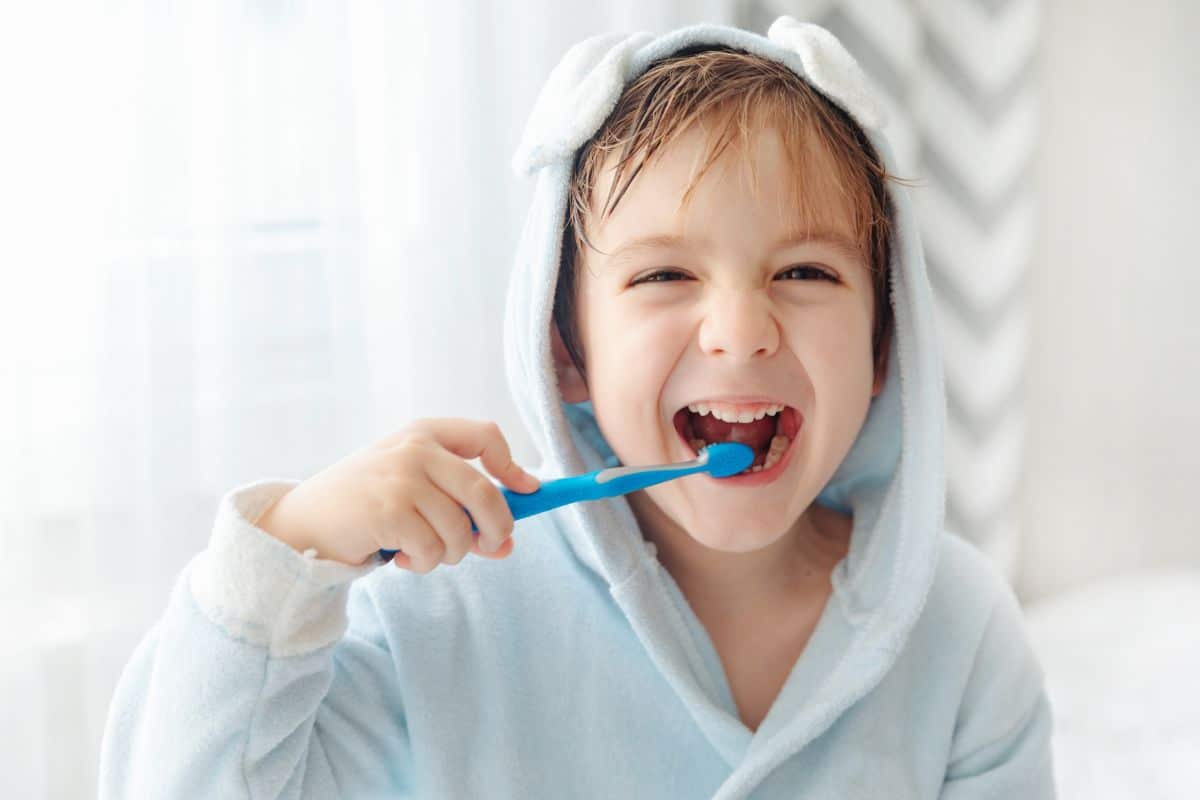
Children rarely brush correctly on their own. They tend to scrub back and forth quickly and skip hard-to-reach spots. Most kids under age eight genuinely lack the fine motor skills to brush effectively. That means a parent needs to help or supervise every single brushing session.
The most common mistake is rushing. Two minutes feels long to a child, so most stop after thirty seconds. Another mistake is pressing too hard. Aggressive scrubbing damages sensitive gum tissue and tooth enamel over time. Gentle, circular motions cover every surface far more effectively.
- Use a soft-bristled toothbrush sized for your child’s mouth
- Brush for a full two minutes — use a timer or song
- Angle the brush at 45 degrees toward the gumline
- Use small, gentle circular motions on each tooth
- Brush the outer, inner, and chewing surfaces of every tooth
- Do not forget the back molars — cavities form there most often
Choosing the Right Tools for Your Child’s Age
Toothbrush choice matters as much as technique. A brush that is too large makes it impossible to reach back teeth. For toddlers, use a brush with a small head and a chunky handle. As children grow, upgrade to an age-appropriate size every three to four months.
Electric toothbrushes can help older children brush more effectively. They maintain a consistent motion that manual brushing often misses. However, even an electric brush requires adult supervision until around age ten. The brush does not replace proper guidance and technique.
Toothpaste choice also matters for young children. Use fluoride toothpaste in an amount appropriate for your child’s age. A rice-grain amount works for children under three years old. A pea-sized amount is right for children aged three and older.
Why Brushing Technique Outperforms Sealants Alone in West Jordan
Dental sealants are a smart, preventive tool Dr. Treagan White recommends for many children at Clubhouse Pediatric Dentistry. They coat the grooves on back teeth where food and bacteria collect. But sealants only cover certain surfaces — they do not protect the sides or front of teeth. Cavities can still form on any unprotected surface.
Daily brushing and flossing reach every surface of every tooth. No in-office treatment can replicate that coverage applied twice daily at home. Think of sealants as a backup layer on top of good home care. Without strong technique, sealants carry far more of the load than they should.
- Sealants protect grooves in molars — brushing protects all surfaces
- Consistent brushing reduces bacteria that cause decay everywhere
- Flossing removes plaque between teeth that no sealant can reach
- Good technique builds lifelong habits your child carries into adulthood
- Home care combined with professional visits delivers the strongest protection
Flossing: The Step Most Families Skip Entirely
Flossing is where most children’s home care falls apart. Studies show that nearly 40 percent of tooth surface lives between teeth. A toothbrush simply cannot reach those areas. Plaque left between teeth builds up quickly and causes cavities and gum irritation.
Children should start flossing as soon as two teeth touch. For young children, floss picks make the process far easier. Parents should floss their child’s teeth until around age eight or nine. After that, children can begin learning the technique independently with supervision.
Make flossing a non-negotiable part of the nighttime routine. One thorough flossing session before bed is enough. This removes the food particles and plaque that accumulate throughout the day. Skipping even a few nights per week gives bacteria extra time to damage enamel.
Building a Routine That Sticks for Kids
Consistency is the most powerful tool in children’s dental health. A perfect technique practiced twice daily beats an occasional thorough brush. Children thrive on routine, so anchor brushing to existing habits like waking up and going to bed. This removes the negotiation and makes brushing automatic over time.
Make the experience positive and low-pressure. Let young children pick their own toothbrush and toothpaste flavor. Use a two-minute song or a brushing app to keep them engaged. Praise effort rather than speed — children respond well to encouragement.
If your child feels nervous about dental visits or about learning new habits, you are not alone. Many families in West Jordan navigate dental anxiety in their children. Our Faqs West Jordan page answers common questions parents have about building healthy routines and preparing kids for visits.
Frequently Asked Questions
At what age should parents stop brushing their child’s teeth?
Most dental professionals recommend that parents assist with or supervise brushing until around age seven or eight. Children develop the hand coordination needed for effective brushing gradually. Supervised brushing before bed ensures nothing gets missed during those critical early years.
How do I know if my child is brushing correctly?
Watch your child brush at least a few times each week. Check that they spend at least two full minutes and cover every surface. Disclosing tablets available at pharmacies can highlight missed plaque and make the lesson visual and fun for kids.
Does fluoride toothpaste really make a difference for children?
Yes. Fluoride strengthens tooth enamel and helps reverse early signs of decay. Dr. Treagan White recommends fluoride toothpaste for children of all ages in the appropriate amounts. It is one of the most evidence-backed tools available for cavity prevention in children.
Can a child get cavities even with sealants in place?
Absolutely. Sealants protect the chewing surfaces of back teeth but leave all other surfaces exposed. Cavities can still form on tooth sides, between teeth, and on front teeth. Strong brushing and flossing habits remain essential even after sealants are applied.
When should I bring my child in for their first dental visit?
The American Academy of Pediatric Dentistry recommends a first visit by age one or when the first tooth appears. Early visits help identify any concerns and allow Dr. Treagan White to guide parents on technique from the very start. Starting early builds comfort and confidence in children over time.
At Clubhouse Pediatric Dentistry in West Jordan, UT, Dr. Treagan White and our team are here to support every family with practical, honest guidance. We believe strong daily habits at home are the foundation of every child’s healthy smile. Teaching your child the right brushing technique now protects their teeth for a lifetime. Book Now to schedule your appointment with our team.