
August 17, 2026
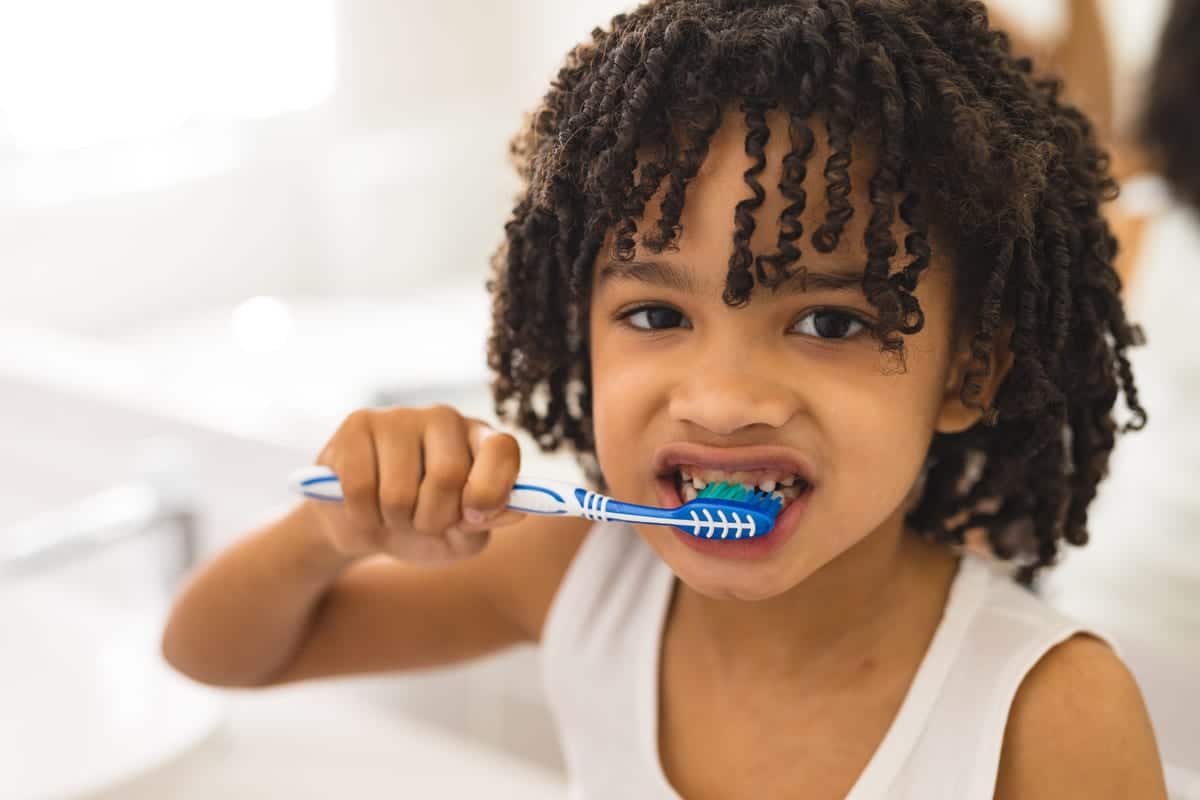
Most West Jordan parents do everything right — they schedule fluoride treatments, buy the recommended toothpaste, and remind their kids to brush. But here’s the hard truth: your child’s brushing technique might be sabotaging fluoride treatment without you even realizing it. The way children brush, when they brush, and which tools they use all affect how well fluoride actually works. Dr. Treagan White at Clubhouse Pediatric Dentistry sees this pattern regularly — and the good news is that it’s completely fixable.
Why Brushing Technique Directly Affects Fluoride Treatment in West Jordan
Fluoride works by bonding to tooth enamel and making it more resistant to cavities. But that process only works when the teeth are clean first. If your child brushes too quickly or misses key spots, a layer of plaque blocks the fluoride from reaching the enamel directly.
Think of it like painting over a dirty wall. The paint won’t stick properly. Fluoride behaves the same way — it needs a clean surface to do its job. This is one of the most overlooked factors in children’s dental care.
Kids who rush through brushing in under 30 seconds are the most affected. Dentists recommend a full two minutes every single time. A timer or a brushing app can make a surprising difference for children ages 3 and up.
The Most Common Brushing Mistakes Parents Miss at Home
You might assume your child is brushing correctly because they’re doing it every day. But repetition doesn’t equal technique. Here are the most common mistakes Dr. Treagan White sees in young patients from the West Jordan area:
- Brushing too hard: Aggressive scrubbing wears down enamel and irritates gums in children.
- Using the wrong toothbrush size: An adult-sized brush can’t reach the back molars in small mouths.
- Skipping the gumline: Plaque hides right where the tooth meets the gum — kids almost always miss this zone.
- Rinsing immediately after brushing: Spitting is fine, but rinsing with water washes away the fluoride before it can absorb.
- Brushing in a random pattern: Without a routine path, kids miss the same spots every single time.
Each of these habits quietly undermines the fluoride treatments your child receives at the dental office. Fixing them costs nothing — it just takes a little coaching at home.
Choosing the Right Tools for Your Child’s Age and Stage
Tool selection matters more than most parents realize. A soft-bristled, age-appropriate toothbrush is the starting point. Hard bristles can damage children’s enamel, which is naturally thinner than adult enamel.
For children under age 3, use a rice-grain-sized amount of fluoride toothpaste. For children ages 3 to 6, a pea-sized amount is enough. Too much toothpaste leads to swallowing, which can cause issues with fluoride intake in very young children.
Electric toothbrushes are a great option for kids who struggle with technique. Many models include timers and pressure sensors. These features encourage proper brushing duration and reduce the risk of brushing too aggressively.
Don’t forget flossing. Floss removes plaque from between teeth where no toothbrush can reach. Begin flossing as soon as two teeth touch — usually around age 2 to 3. For younger children, floss picks are easier to manage than traditional string floss.
The Timing of Brushing Matters More Than You Think
Most families know to brush morning and night. But when during those routines matters significantly. Brushing right after meals is ideal — but there’s one important exception. After acidic foods or drinks, wait at least 30 minutes before brushing. Acidic environments temporarily soften enamel, and brushing during that window can cause micro-damage.
Nighttime brushing is the most critical of the two daily sessions. Saliva production drops during sleep, which means teeth have less natural protection overnight. Any plaque or sugar left on teeth before bed creates the perfect environment for cavities to develop.
After your child brushes at night, avoid giving them any food or sugary drinks — including juice. Even flavored water with added sugars can undo the benefit of fluoride toothpaste. Water is always the safe choice.
- Best time to brush: After breakfast and right before bed
- Wait after acidic foods: At least 30 minutes before brushing
- After brushing at night: Nothing but water until morning
- Brushing duration: Two full minutes, every time
- Flossing timing: Once daily, ideally before the nighttime brush
How Professional Fluoride Treatments Work With Good Home Care
In-office fluoride treatments from Dr. Treagan White deliver a concentrated dose of fluoride directly to your child’s teeth. This professional-strength fluoride is far more potent than what’s found in toothpaste. But it still works best when your child’s home care routine is solid.
Parents sometimes assume that professional treatments replace the need for thorough brushing. That’s not how it works. In-office fluoride strengthens enamel over time — but it cannot remove plaque or prevent new buildup between visits. The two approaches work together, not independently.
If you have questions about how fluoride fits into your child’s overall care plan, the Faqs West Jordan page at Clubhouse Pediatric Dentistry covers many common parent questions in detail. You can also review What To Expect West Jordan before your child’s next appointment so you feel fully prepared.
Children who receive regular fluoride treatments AND practice good brushing technique at home have significantly fewer cavities. That combination is the goal every pediatric dentist works toward with their young patients.
Conclusion: Small Changes at Home Make a Big Difference
Your child’s brushing technique might be sabotaging fluoride treatment in West Jordan right now — but it doesn’t have to stay that way. The fixes are simple: brush for two full minutes, use the right tools, skip the post-brush rinse, and floss daily. These habits amplify every fluoride treatment your child receives and set the foundation for a lifetime of strong, healthy teeth. Dr. Treagan White and the team at Clubhouse Pediatric Dentistry are here to guide your family every step of the way. Book Now to schedule your appointment with our team.
Frequently Asked Questions
Should my child rinse after brushing with fluoride toothpaste?
No — your child should spit out excess toothpaste but avoid rinsing with water afterward. Rinsing immediately removes fluoride before it has time to absorb into the enamel. Just spitting is enough to clear the excess while keeping the protective fluoride layer in place.
At what age should my child start using fluoride toothpaste?
Dentists recommend starting fluoride toothpaste as soon as the first tooth appears — typically around six months of age. Use a rice-grain-sized amount until age 3, then increase to a pea-sized amount through age 6. Always supervise young children to make sure they spit rather than swallow.
How often should my child receive professional fluoride treatments?
Most children benefit from professional fluoride treatments every six months during their regular dental checkup. Dr. Treagan White will assess your child’s individual cavity risk and recommend the right frequency. Children with a higher risk of cavities may need treatments more often.
Is an electric toothbrush better for kids than a manual one?
Electric toothbrushes can be very effective for children, especially those who rush through brushing or press too hard. Many models have built-in two-minute timers and pressure sensors that teach better habits. However, a soft-bristled manual toothbrush used correctly for two full minutes is equally effective when technique is good.
When should I start flossing my child’s teeth?
Begin flossing as soon as two of your child’s teeth touch each other — this usually happens around ages 2 to 3. Floss picks or pre-threaded flossers are easier to use in small mouths than traditional string floss. Flossing removes plaque from between teeth where brushing simply cannot reach, making it a critical part of cavity prevention.