
December 9, 2024
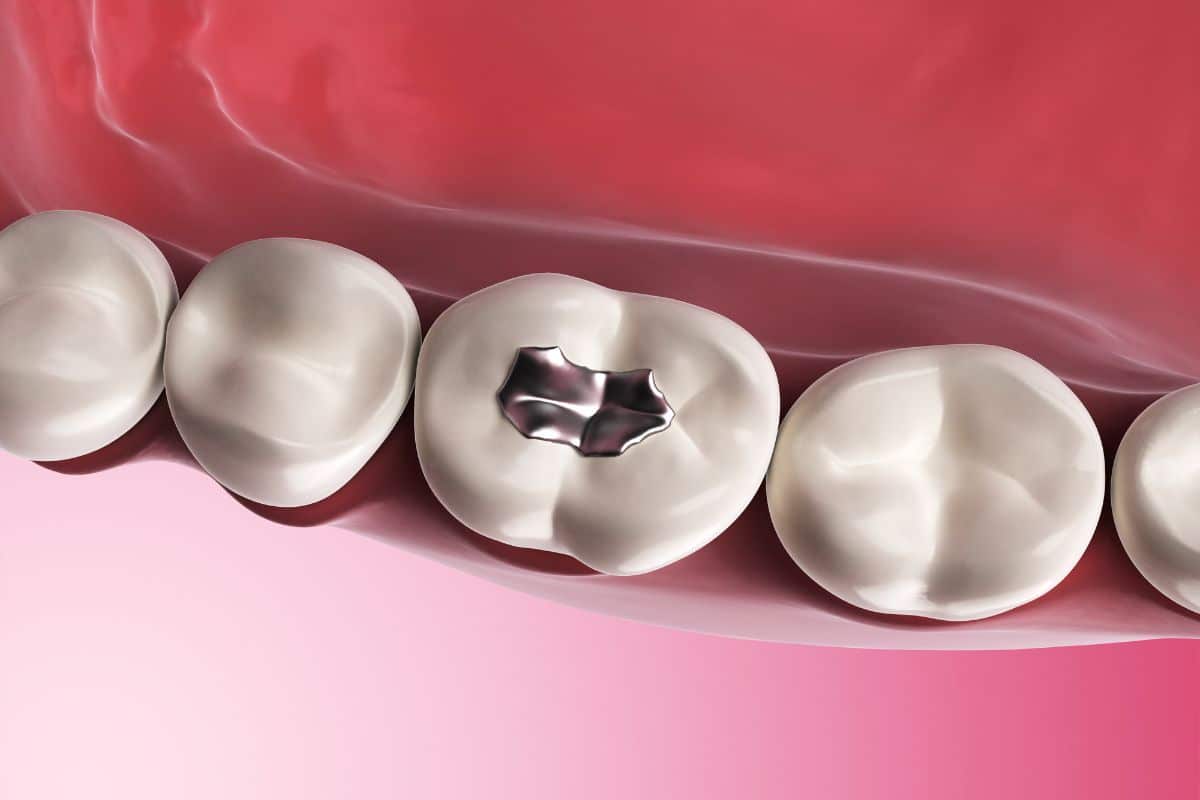
Dental fillings are a common and effective way to restore a child’s tooth after decay. However, proper care after the procedure ensures the filling lasts and your child remains comfortable. Following these steps can help your child heal quickly and maintain a healthy smile.
What to Expect Immediately After a Filling?
Once your child receives a filling, their mouth may feel numb due to the local anesthetic. This sensation can last a few hours, making it essential to monitor your child closely.
- Watch for Chewing Habits: Your child may unknowingly bite their cheeks, tongue, or lips while the numbness persists. Encourage soft foods and discourage chewing until the numbness fades.
- Avoid Hot or Cold Drinks: The numb area may not register temperature changes, increasing the risk of burns or discomfort. Stick to room-temperature drinks initially.
Foods Your Child Should Eat Post-Filling:
What your child eats after the procedure matters. Choose foods that are gentle on their teeth and avoid anything too hard or sticky.
- Best Choices:
- Applesauce
- Mashed potatoes
- Smoothies
- Yogurt
- Oatmeal
- Foods to Avoid:
- Hard candies
- Chewy or sticky treats like caramel
- Popcorn kernels
- Ice cubes
These precautions prevent unnecessary pressure on the filling and reduce sensitivity.
Oral Hygiene Tips After a Filling:
Proper oral hygiene is essential to prevent further decay around the treated tooth.
- Brush Carefully: Have your child brush their teeth gently, especially near the area with the new filling. Use a soft-bristled toothbrush and fluoride toothpaste to clean without irritation.
- Floss Daily: Teach your child how to floss correctly to remove debris between teeth. Flossing helps keep the filling area clean and healthy.
- Rinse with Care: If your pediatric dentist recommends, your child can rinse with a saltwater solution to soothe minor irritation.
Managing Sensitivity or Discomfort
It’s common for children to experience slight sensitivity after a filling, especially when eating or drinking hot, cold, or sweet foods. Here’s how to manage it:
- Use Over-the-Counter Pain Relief: If your dentist approves, you can give your child a dose of acetaminophen or ibuprofen for minor discomfort.
- Switch to a Sensitivity Toothpaste: Sometimes, using toothpaste designed for sensitive teeth can ease discomfort over time.
- Follow Up with the Dentist: If your child continues to experience significant sensitivity or pain beyond a few days, schedule a follow-up appointment. The pediatric dentist can check the filling and make adjustments if necessary.
Preventing Future Cavities
Teach your child the importance of good oral health habits to prevent future cavities.
- Encourage Daily Brushing and Flossing: Make brushing and flossing a regular part of their routine. Supervise younger children to ensure proper technique.
- Choose Tooth-Friendly Snacks: Offer fruits, vegetables, cheese, and nuts instead of sugary or acidic treats.
- Visit the Dentist Regularly: Schedule regular check-ups every six months to catch potential problems early.
When to Contact the Pediatric Dentist:
While fillings are safe and reliable, there are instances when you should consult your pediatric dentist in West Jordan. Watch for these signs:
- Persistent pain or sensitivity lasting more than a week
- A filling that feels loose or falls out
- Swelling or redness around the treated tooth
Addressing issues promptly ensures your child’s dental health stays on track.
Caring for your child’s teeth after a dental filling doesn’t have to be challenging. These practical tips will help your child recover quickly and maintain a healthy, confident smile. Establishing good habits now will set the stage for a lifetime of strong teeth and gums. Your dentist partners with you to support your child’s oral health journey. Feel free to ask any questions or share any concerns!