
November 26, 2024
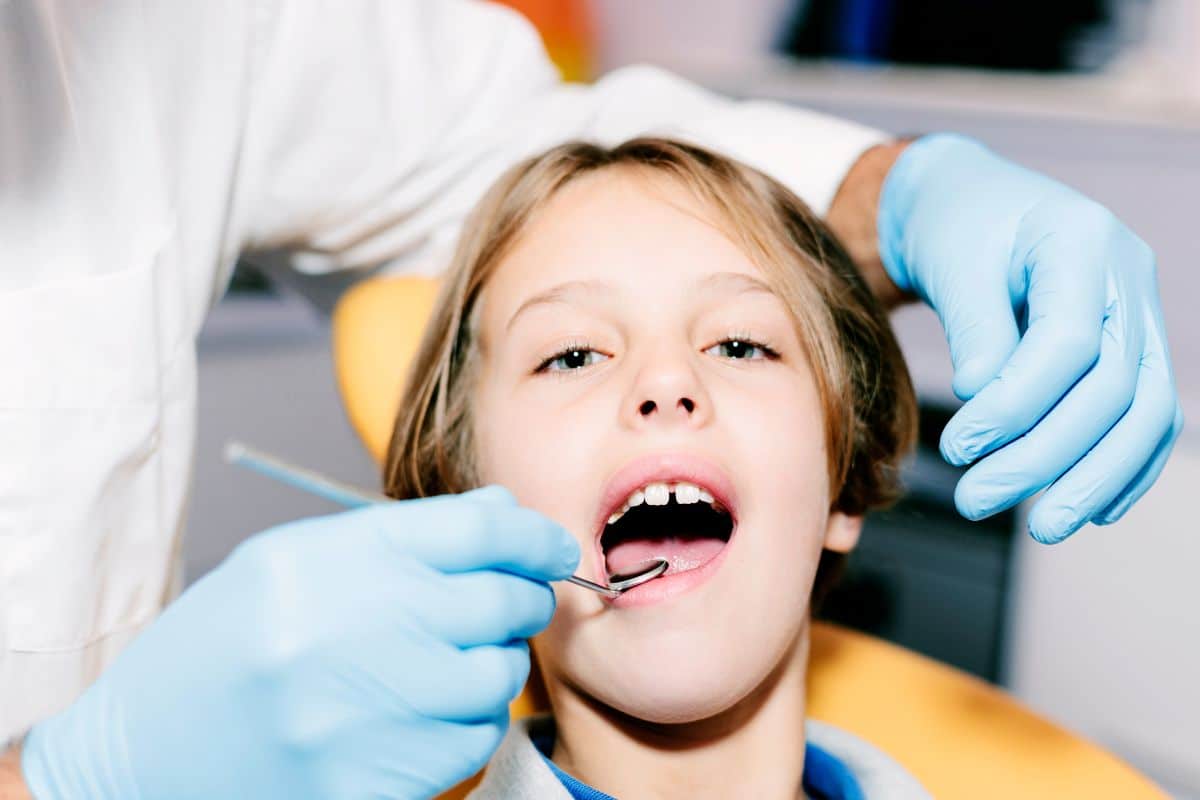
Dental sealants provide a simple and effective method for protecting your child’s teeth against cavities. If your child’s dentist recommends sealants, you may wonder what the appointment involves. This quick, non-invasive procedure can give parents peace of mind while helping children maintain a healthy smile. Here’s what you can expect during your child’s dental sealant appointment.
Understanding Dental Sealants
The chewing surfaces of your child’s molars and premolars are covered with thin, protective coatings called dental sealants. The grooves and pits on these back teeth make them difficult to clean, even with regular brushing and flossing. In these areas, sealants form a smooth barrier that blocks bacteria and food particles. While they don’t replace good oral hygiene, sealants are a powerful tool for reducing the risk of tooth decay.
Before the Appointment
The dentist will check your child’s teeth in detail before applying sealants. This step ensures no existing cavities or other dental issues need treatment before sealing the teeth. If this is your child’s first time receiving sealants, explain the process to help them feel comfortable. Let them know the procedure is painless and quick.
Step-by-Step Process
Here’s how the dental sealant application works:
- Cleaning the Teeth
The pediatric dentist or dental hygienist will begin by cleaning your child’s teeth. This step removes plaque, food particles, or debris from the tooth surface. A clean surface guarantees proper adhesion of the sealant.
- Preparing the Tooth
After cleaning, the pediatric dentist will dry the tooth and apply a unique solution, known as an etching gel, to the enamel. The surface is made rougher by the gel, which strengthens the sealant’s binding. Your child might feel slightly tingling, but it is entirely painless.
- Rinsing and Drying
The pediatric dentist next rinses off the gel and dries the tooth. They use a small air-drying tool to ensure no moisture remains, as dryness is crucial for sticking the sealant.
- Applying the Sealant
The pediatric dentist will carefully paint the sealant onto your child’s tooth grooves using a small brush. The liquid sealant flows into the pits and fissures, covering areas prone to decay.
- Curing the Sealant
The dentist uses a special blue light to set the sealant. This curing process only takes a few seconds per tooth and ensures the sealant is firmly in place.
How Long Does the Procedure Take?
The process usually takes about 30 minutes, depending on how many teeth need sealing. Inform the dentist beforehand if your child struggles to sit still. Pediatric dental teams are skilled at making kids feel comfortable during their visits.
After the Appointment
Once the sealants are applied, your child can eat and drink immediately. However, they should avoid sticky or hard foods for the rest of the day to keep the sealant intact. Sealants provide long-lasting protection when properly cared for. During routine examinations, dentists can inspect sealants and reapply them as needed.
The Benefits of Dental Sealants
Sealants provide long-lasting protection against cavities, especially during the cavity-prone years of childhood and adolescence. They are a cost-effective preventive measure, often covered by dental insurance. By investing in sealants, you’re helping your child avoid more extensive dental treatments down the road.
How to Maintain Your Child’s Sealants?
Sealants are strong, but they require proper care to stay effective. Encourage your child to brush twice a day with fluoride toothpaste and floss regularly. Also, remind them to avoid chewing on ice or pens, as these can damage the sealants. Regular dental visits will ensure their teeth stay healthy and protected.
A dental sealant appointment is a simple, stress-free procedure that significantly benefits your child’s oral health. Understanding the process and knowing what to expect can help your child feel at ease. If you have questions about sealants or other preventive care options, ask your pediatric dentist near you. Protecting your child’s teeth today can lead to a lifetime of healthy smiles.