
November 12, 2024
Dental sealants are a highly effective way to protect children’s teeth from cavities. For parents seeking to provide the best dental care for their kids, dental sealants can be a valuable preventive tool. But how long do dental sealants last, and what should parents know about maintaining them? Let’s dive into the essentials of dental sealants, from their lifespan to their benefits and maintenance tips.
What Are Dental Sealants?
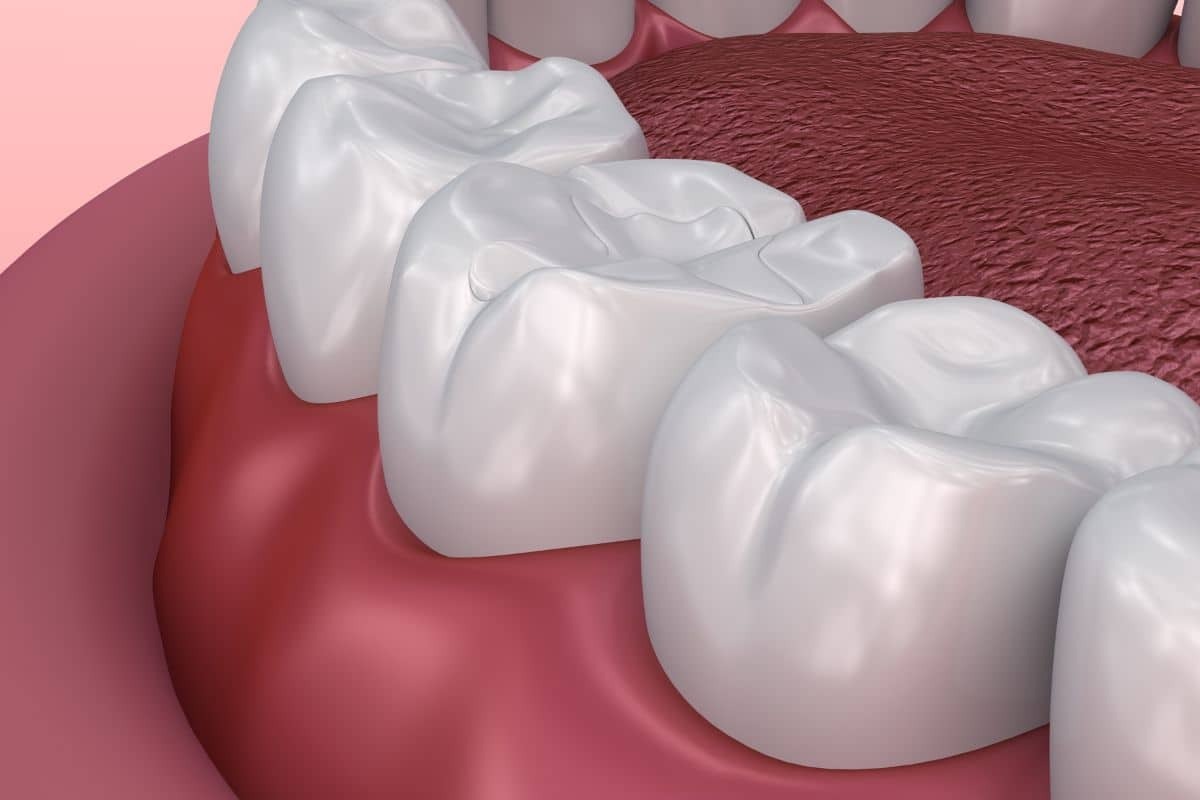
Dental sealants are a thin, protective coating applied to the chewing surfaces of a child’s back teeth (molars and premolars). These teeth are more vulnerable to cavities due to the deep grooves that can trap food particles and bacteria. The sealant forms a barrier over the enamel, helping to remove plaque and food particles that could otherwise lead to decay.
How Long Do Dental Sealants Typically Last?
On average, dental sealants last between 5 and 10 years. However, their durability can vary based on a child’s eating habits, oral hygiene, and regular dental check-ups. Here’s a closer look at what affects the longevity of dental sealants:
Eating Habits: Kids who frequently eat sticky or hard foods may wear down their sealants faster. Foods like caramel, gummies, and hard candies can gradually chip away at the sealant layer.
Oral Hygiene: Children who brush and floss consistently can help maintain their sealants longer. Poor oral hygiene can lead to buildup around the sealants, which may weaken them over time.
Regular Dental Check-Ups: During dental visits, pediatric dentists check the condition of the sealants. They may recommend reapplying sealants to teeth where the coating has started to wear off or develop chips.
Benefits of Dental Sealants:
Dental sealants provide significant benefits for children’s oral health:
- Cavity Prevention: Sealants are highly effective at preventing cavities on molars. According to the Centers for Disease Control and Prevention (CDC), sealants can reduce the risk of decay in molars by nearly 80% for the first two years and protect for several years after application.
- Quick and Painless Application: Applying sealants is quick and painless, taking only a few minutes per tooth. The pediatric dentist cleans the tooth surface, applies a gel to help the sealant bond, rinses it off, and then paints it onto the tooth. Once cured, the sealant hardens and forms a protective layer.
- Long-Term Savings: Sealants can help parents avoid more costly dental treatments by reducing the likelihood of cavities. Even though dental sealants involve a small upfront cost, they often pay for themselves by preventing the need for fillings, crowns, or root canals.
How to Maintain Your Child’s Dental Sealants?
To help dental sealants last as long as possible, consider these helpful tips:
Encourage Healthy Eating Habits: Limit your child’s intake of sticky or sugary snacks that can damage sealants. Foods like fruits, vegetables, and dairy products are healthier choices that pose less risk to the sealant’s surface.
Promote Good Oral Hygiene: Teach your child to brush and floss regularly, focusing on a gentle but thorough cleaning. Effective oral hygiene habits reduce the buildup of plaque that could eventually impact the sealants.
Schedule Routine Dental Visits: Regular check-ups allow the pediatric dentist to monitor the sealants and determine if they need to be touched or reapplied. If sealants do start to wear, reapplication is a straightforward process.
Signs That Dental Sealants Need Replacement
While dental sealants are durable, they aren’t indestructible. Here are a few signs that parents should look for to see if a sealant needs replacement or repair:
- Chips or Cracks: Any visible damage to the sealant could expose the tooth to plaque and bacteria, increasing the risk of cavities.
- Worn Appearance: The sealant may thin out or wear down over time. It’s a good idea to consult the pediatric dentist in West Jordan if it appears uneven.
- Food Sticking to Teeth: If food or plaque begins to stick to the molars, the sealant may have worn off enough to need reapplication.
Is It Worth Reapplying for Dental Sealants?
In many cases, reapplying dental sealants is a worthwhile investment. Since molars are highly cavity-prone, a renewed sealant layer can provide ongoing protection throughout the child’s adolescence. The cost of reapplication is often minimal compared to the potential cost of fillings or other treatments that might become necessary without the added protection.
Does Insurance cover Dental Sealants?
Many insurance plans, including Medicaid, cover dental sealants for children as part of preventive dental care. Check with your insurance provider to confirm coverage and learn about age restrictions. Insurance can significantly reduce the cost of sealants, making them a more affordable option for parents.
Dental sealants provide powerful protection, helping to shield your child’s teeth from decay for years. By knowing the factors influencing their longevity and following maintenance tips, parents can help their children enjoy the full benefits of sealants. Regarding cavity prevention, a small investment in dental sealants can significantly save dental treatments and ensure that your child’s smile stays healthy well into their teen years and beyond.