
February 13, 2026
Most children can eat right after getting dental sealants. The protective coating hardens during the appointment, so there is typically no waiting period before eating. That said, I usually recommend starting with softer foods for the rest of the day and avoiding sticky or very hard snacks. This simple step helps the sealant settle comfortably and reduces unnecessary pressure on the treated teeth.
This is one of the most common questions parents ask before leaving the office. As a pediatric dental provider, I always want families to feel confident about what to expect after any preventive treatment.
Understanding What Dental Sealants Do
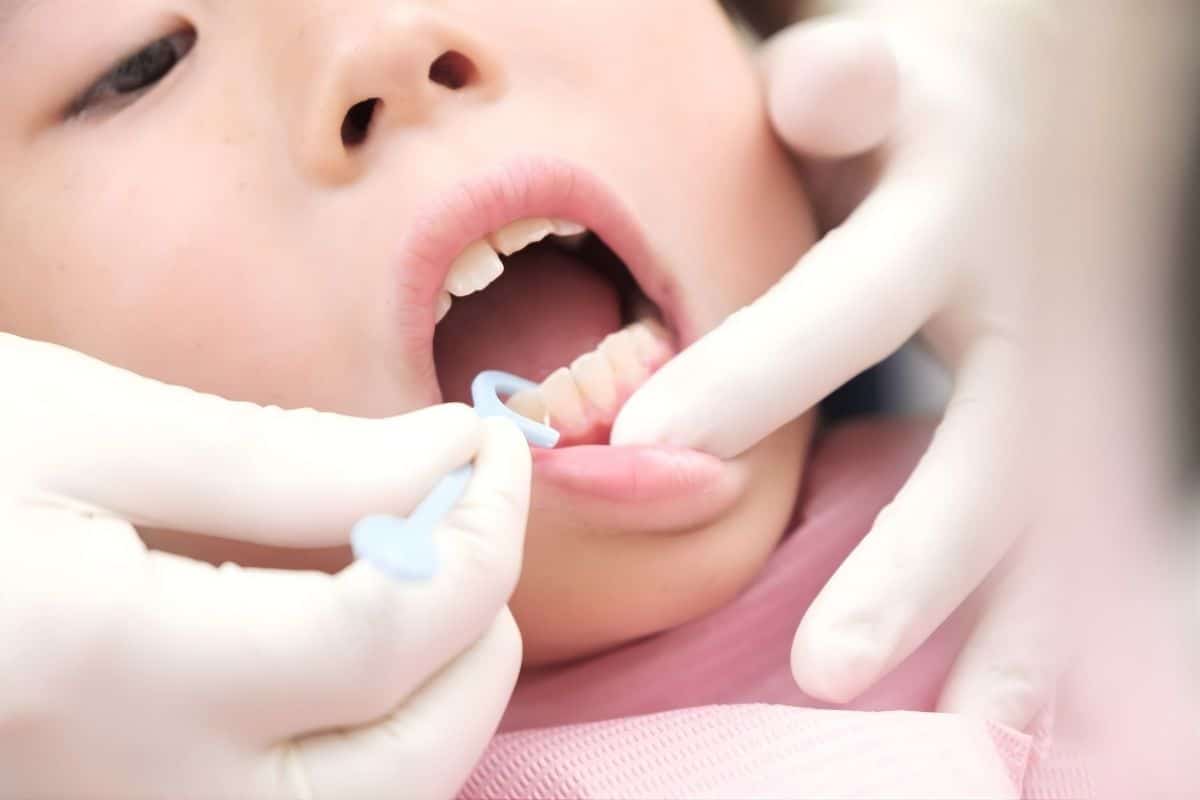
Dental sealants are thin protective coatings placed on the chewing surfaces of the back teeth. Molars and premolars have deep grooves that easily trap food particles and bacteria. Even children who brush well can miss these narrow pits.
Sealants fill in those grooves and create a smooth surface that is easier to clean. This reduces the risk of cavities during the years when children are most prone to tooth decay.
From a clinical standpoint, sealants are strongly supported by long term research in preventive dentistry. Studies continue to show that children with sealants on their permanent molars develop fewer cavities than those without them. In daily practice, I have seen firsthand how this simple treatment helps many children avoid fillings altogether.
Families seeking dental sealants often tell me they want to take a proactive approach. That mindset makes a real difference in a child’s long term oral health.
Can My Child Really Eat Immediately After the Appointment?
Yes, in most cases your child can eat as soon as the appointment is over. The material used for sealants is cured with a special light that fully hardens it before your child leaves the dental chair.
Even though the coating is set, I typically advise parents to choose softer foods for the rest of the day. Good options include yogurt, scrambled eggs, pasta, rice, or smoothies. These foods place less stress on the chewing surfaces that were just treated.
It is also wise to avoid sticky candies, chewy snacks, and very hard foods such as ice or popcorn kernels for several hours. While the sealant is strong, minimizing heavy pressure on the first day supports its longevity.
Most children return to their normal eating habits the next day without any restrictions.
What Should Parents Watch for After Sealants?
After sealants are placed, your child may notice a slightly different texture on their back teeth. Some children say their bite feels a little unusual at first. This sensation usually fades within a day or two as they adjust.
If your child continues to feel that their teeth are not coming together comfortably after a few days, it is important to schedule a quick visit. A minor adjustment can easily correct the issue.
In my experience treating children in West Jordan, these situations are uncommon. Sealants are one of the simplest and most comfortable preventive procedures we provide. They do not require numbing or drilling, and most children tolerate the process very well.
How Long Do Sealants Last?
Sealants can last several years when properly maintained. During routine checkups at Clubhouse Pediatric Dentistry, we carefully evaluate each treated tooth to ensure the protective coating remains intact.
Over time, normal chewing can cause wear. If we notice thinning or small chips, the area can be repaired quickly. That is why regular dental visits every six months are essential.
When parents commit to consistent exams and cleanings, we can monitor the condition of the sealants and reinforce them as needed. This ongoing care is part of protecting your children’s teeth with carefully placed sealants that serve as a barrier against decay.
The Role of Good Oral Hygiene
Sealants protect the chewing surfaces of molars, but they do not shield every part of the tooth. Cavities can still develop between teeth and along the gumline if brushing and flossing are neglected.
Encourage your child to brush twice a day with fluoride toothpaste and floss daily. Limiting sugary snacks and drinks also reduces cavity risk. In West Jordan, where busy school schedules and sports activities fill the calendar, simple daily habits make a big difference.
As a pediatric dental provider, my approach focuses on prevention first. Sealants, fluoride treatments, and consistent home care work together to reduce the need for restorative procedures.
Why Preventive Dentistry Matters for Children
West Jordan is a growing community filled with young families. Many parents here are focused on keeping their children healthy and active, whether they are attending school events, participating in sports leagues, or enjoying local parks.
Preventing tooth decay helps children avoid dental pain, missed school days, and more complex treatments later on. Dental sealants are a practical step that supports that goal.
When families ask about dental sealants in West Jordan, they are often thinking long term. They want to avoid future problems rather than treat them after they occur. That preventive mindset aligns with evidence based pediatric dental care and reflects the standard of care we strive to provide.
Conclusion
Your child can usually eat right after getting dental sealants, but choosing softer foods for the first several hours is a smart precaution. Avoiding sticky and hard snacks on the first day helps protect the newly sealed molars.
Sealants are a safe, research supported way to reduce cavity risk during childhood. Combined with consistent brushing, flossing, and regular dental visits, they offer lasting protection for growing smiles.
If you have questions about whether sealants are right for your child, or if you would like to schedule an evaluation, the team at Clubhouse Pediatric Dentistry in West Jordan is here to guide you. Preventive care today can help your child maintain a healthy, confident smile for years to come.
FAQs
1. How soon can my child eat after getting dental sealants?
In most cases, your child can eat immediately after the appointment. The sealant material hardens during the visit. It is best to start with soft foods and avoid sticky or very hard snacks for the rest of the day.
2. Do dental sealants require any special aftercare?
There is no complicated aftercare. Encourage your child to continue brushing twice daily with fluoride toothpaste and flossing once a day. Limiting sugary snacks and drinks will also help maintain the protective coating.
3. Can sealants come off while eating?
Sealants are durable, but very sticky or hard foods can sometimes cause wear over time. If a sealant chips or comes off, it can be easily repaired during a routine dental visit.
4. Will my child feel discomfort after getting sealants?
Most children do not experience discomfort. Some may notice a slightly different texture on their molars or feel that their bite is a little different for a day or two. If discomfort continues, a quick adjustment by your pediatric dentist can resolve it.
5. How long do dental sealants last?
Sealants can last several years with proper care. During regular checkups, your child’s dentist will examine the treated teeth to ensure the protective coating remains intact.
6. Are dental sealants safe for children?
Yes. Dental sealants are considered safe and are widely recommended as a preventive treatment for children. They are applied without drilling or numbing and are supported by years of clinical research in pediatric dentistry.
7. At what age should my child get sealants?
Sealants are typically recommended when permanent molars come in, which is usually around ages six and twelve. Your pediatric dentist will evaluate your child’s teeth and determine the best timing.