
May 25, 2023
As parents, we all want the best for our children. From providing them with good education to ensuring they eat healthy meals, we strive to give them everything they need to grow up strong and happy. However, one aspect of their well-being that is often overlooked is dental care. Many parents assume that brushing twice a day is enough to keep their kids’ teeth healthy, but routine dental care goes far beyond just brushing. In this blog post, we’ll explore why routine dental care is crucial for your child’s oral health and how it can benefit them in the long run!
What is routine dental care?
Routine dental care is the practice of maintaining good oral hygiene habits to prevent dental problems. This involves a combination of regular brushing and flossing and visits to the dentist for check-ups and cleanings.
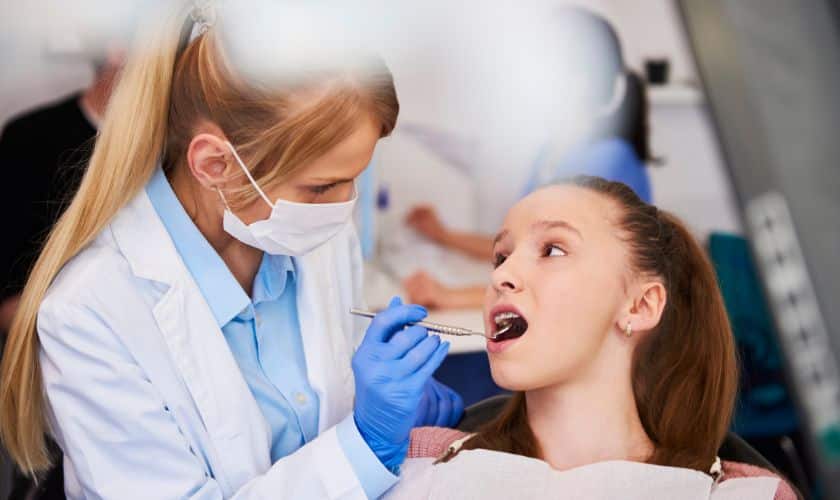
During routine dental exams, dentists check for any signs of tooth decay or gum disease. They also look for any abnormalities in the mouth that could indicate more serious health issues. Early detection and treatment can help prevent further damage to teeth and gums.
Regular cleanings are an important part of routine dental care, as they remove plaque buildup that can lead to cavities and gum disease. Dentists may also recommend fluoride treatments or sealants for children to protect their teeth from decay.
Parents should start taking their children for routine dental checkups as early as six months old, or when the first tooth appears. By establishing these habits early on, children are more likely to maintain good oral hygiene throughout their lives.
Routine dental care is essential for preventing oral health problems and maintaining healthy teeth and gums.
The Importance of Routine Dental Care
Routine dental care is an essential component of maintaining good oral health for your child. It involves regular visits to the dentist for checkups, cleanings, and necessary treatments. Many people neglect routine dental care due to time constraints or other reasons, but it is crucial not to overlook its importance.
The primary reason for routine dental care is prevention. Regular checkups allow dentists to identify potential problems before they become severe and require more invasive procedures. Cleaning teeth helps remove plaque buildup that can lead to cavities and gum disease.
Furthermore, children’s teeth are susceptible to decay because of the sugary foods and drinks they consume every day. Routine dental exams ensure that any signs of decay are addressed promptly with appropriate treatment options.
In addition, neglecting a child’s oral health can cause long-term complications such as misaligned jaws and crooked teeth that may necessitate orthodontic intervention later in life.
Parents need to recognize the significance of routine dental care by scheduling regular appointments with their dentist, starting from when their child’s first tooth erupts until adulthood.
The different types of dental problems for children
Children are susceptible to different types of dental problems that may lead to discomfort, pain, or even more serious health issues. One common problem is cavities, or tooth decay, caused by the buildup of plaque on teeth due to poor oral hygiene practices. Without proper care, this can lead to gum disease, infection, and tooth loss.
Another issue is malocclusion, or misaligned teeth, which affects a child’s bite and speech development. Malocclusion can also cause jaw pain and make it difficult for children to eat properly. This condition may be corrected through orthodontic treatments like braces.
Tooth sensitivity is another dental problem commonly experienced by children. It occurs when the protective layer on the surface of their teeth wears away, exposing nerves that react painfully to hot or cold food and drinks.
Children exposed frequently to sugary foods and drinks run a higher risk of developing early childhood caries (ECC), which refers specifically to severe cavities in very young kids’ baby teeth.
Knowing these different types of dental problems for children can help parents prevent them from happening with regular visits to their dentist as well as teaching good oral hygiene habits at home, such as brushing twice daily, flossing regularly, and limiting sugary snacks in between meals.
Oral health risks for children
Children are more prone to developing dental problems compared to adults because their teeth and gums are still in the developmental stage. Some of the common oral health risks that children face include tooth decay, cavities, gum disease, and bad breath.
Tooth decay is one of the most prevalent oral health risks for children. This condition occurs when bacteria in the mouth produce acid that erodes the tooth enamel. Children who consume sugary foods and drinks or have poor brushing habits are at a higher risk of developing tooth decay.
Cavities can also affect children’s oral health if left untreated. Cavities occur when plaque accumulates on the surfaces of teeth, leading to holes or pits on them. Children with poor dental hygiene habits may be prone to cavities.
Gum disease is another major concern for children’s oral health, as it can lead to inflammation and bleeding of the gums. Poor dental hygiene practices, such as inadequate brushing and flossing, can cause gum disease.
Bad breath can also indicate an underlying problem with your child’s oral health. It could be due to poor dental hygiene or an undiagnosed medical condition like diabetes or liver disease.
Early detection and treatment of these oral health risks among children through routine dental care are essential for maintaining optimal overall health throughout their lifespan.
The benefits of routine dental care
Routine dental care may seem like a hassle, but it is actually very beneficial for your child’s oral health. Consistently visiting the dentist can help prevent dental problems from developing in the first place and catch any issues early on.
One major benefit of routine dental care is that it helps prevent tooth decay. By having regular cleanings and checkups, your child’s teeth will be kept free of harmful plaque buildup that can lead to cavities. Additionally, dentists can apply fluoride treatments to strengthen patients’ teeth and protect them from decay.
Another advantage of routine dental care is that it helps detect any potential problems before they become serious. Dentists are trained to identify signs of gum disease or other oral health issues during exams. If a problem is caught early on, it can often be treated more easily with less invasive procedures.
Good oral hygiene habits instilled through routine dental care visits can last a lifetime. Children who regularly visit the dentist are more likely to continue practicing good oral hygiene as adults and have healthier teeth overall.
Making sure your child receives routine dental care has numerous benefits for their oral health, both now and in the future.
Summary
To sum up, routine dental care is an important aspect of your child’s overall health and well-being. It involves regular visits to the dentist for check-ups, cleanings, and treatment if necessary. Neglecting routine dental care can lead to a variety of oral health problems that may affect your child’s ability to eat, speak, and even learn.
By maintaining good oral hygiene habits at home combined with regular visits to the dentist, you can help ensure that your child has healthy teeth and gums throughout their life. The benefits of routine dental care are numerous, including early detection of potential issues before they become serious problems or require invasive treatments.
So don’t wait until there is a problem; make sure your child receives regular dental check-ups from an early age so they can enjoy all the benefits of good oral health both now and in the future!