
September 19, 2024
Dental sealants are a common preventive measure for protecting children’s teeth from cavities. Despite their effectiveness, several myths surround their use. Let’s set the record straight by debunking five common myths about dental sealants for kids.
1. Myth: Dental Sealants Are Only for Kids with Cavities
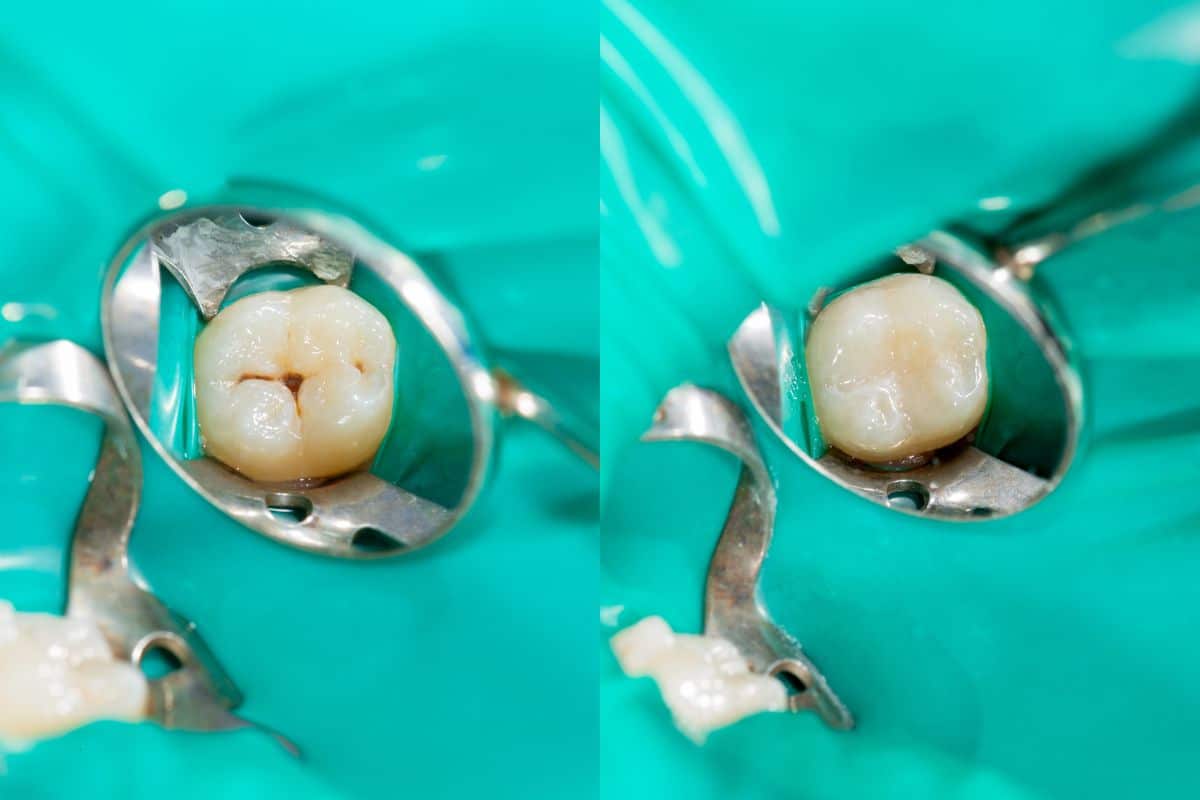
One of the biggest misconceptions about dental sealants is that they are only necessary for children who already have cavities. In reality, sealants serve as a preventive measure rather than a treatment. They work by creating a protective barrier on the chewing surfaces of back teeth, which helps prevent decay from developing in the deep grooves and pits. Applying sealants early, even before cavities form, helps shield teeth from harmful bacteria and acids, making them a crucial part of a proactive dental care routine.
2. Myth: Sealants Are Not Durable and Need Frequent Replacement
Many parents worry that dental sealants won’t last long and will need constant replacement. However, sealants are designed to be durable and can last several years with proper care. They can withstand the normal wear and tear of chewing. Your pediatric dentist will check the sealants during routine check-ups and will reapply or repair them if necessary. Regular dental visits will help ensure that sealants remain effective, but you don’t need to worry about frequent replacements.
3. Myth: Sealants Contain Harmful Chemicals
Another myth is that dental sealants contain harmful chemicals that could negatively impact your child’s health. Most dental sealants are made from BPA-free materials, ensuring they are safe for children. The American Dental Association (ADA) and other dental organizations endorse the safety of modern sealants. Dentists use materials that have undergone rigorous testing to ensure they are both effective and non-toxic.
4. Myth: Sealants Are Only for Children and Not Necessary for Adults
Some believe that dental sealants are only suitable for children and that adults don’t benefit from them. While it’s true that sealants are often applied during childhood to prevent early cavities, adults can also benefit from them. If an adult has deep grooves in their molars or is at a higher risk of tooth decay, sealants can provide added protection. Sealants are versatile and can be an effective preventive measure at any age.
5. Myth: Sealants Make Teeth Prone to Decay
A common misconception is that dental sealants can make teeth more prone to decay. Sealants do the opposite. They create a barrier that protects the tooth’s surface from plaque, bacteria, and food particles that contribute to decay. When sealants are applied correctly and maintained well, they significantly reduce the risk of cavities. They help keep the tooth enamel intact and reduce the chance of tooth decay by preventing harmful substances from reaching the tooth’s surface.
Conclusion
Dental sealants are a valuable tool in preventive dentistry, offering significant protection against cavities for children. By debunking these myths, we can better understand the benefits of sealants and the role they play in maintaining dental health. Sealants are not just a temporary fix but a long-term solution for protecting your child’s teeth. If you have concerns or questions about dental sealants, don’t hesitate to talk to your pediatric dentist in West Jordan. They can provide personalized advice and ensure that your child’s dental health remains in top shape.
Keeping these facts in mind can help you make informed decisions about your child’s dental care and take full advantage of the protective benefits that dental sealants offer.