
March 7, 2024
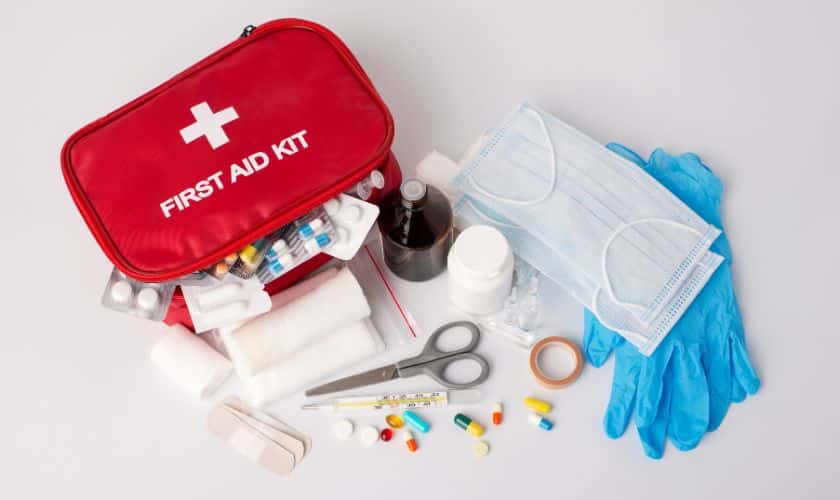
As parents, guardians, or caregivers, we always strive to ensure the safety and well-being of our children. While we often focus on general first aid preparedness, it’s equally important to be ready for pediatric dental emergencies. From a sudden toothache to a knocked-out tooth, knowing how to handle these situations promptly can make a significant difference in your child’s oral health. One crucial step towards preparedness is assembling a pediatric dental first aid kit. Let’s explore how you can build one to be ready for any dental emergency that may arise.
Understanding Pediatric Dental Emergencies
Before diving into assembling a first aid kit, it’s essential to understand what constitutes a pediatric dental emergency. These emergencies can include:
- Toothaches: Sudden and severe pain in the teeth or gums.
- Knocked-Out Tooth: Complete displacement of a tooth due to trauma.
- Broken or Chipped Tooth: Damage to the tooth due to injury or accident.
- Loose Tooth: A tooth that has become loose due to trauma or decay.
- Objects Caught Between Teeth: Food or foreign objects lodged between teeth causing discomfort.
Building Your Pediatric Dental First Aid Kit
- Gauze Pads and Cotton Balls: Essential for controlling bleeding and providing a clean surface to apply pressure in case of injuries.
- Sterile Saline Solution: Ideal for cleaning wounds, rinsing the mouth, or storing knocked-out teeth before seeking emergency dental care.
- Dental Mirror and Tongue Depressor: Useful for examining the mouth and locating dental injuries or foreign objects stuck between teeth.
- Dental Floss: Handy for removing food particles or foreign objects stuck between teeth.
- Dentist’s Contact Information: Keep contact details of an emergency dentist in West Jordan or your local area readily available.
- Temporary Dental Cement: Helps in temporarily securing loose crowns or filling small chips or cracks in teeth until professional dental care is available.
- Cold Compress: Use to reduce swelling and alleviate pain caused by dental injuries.
- Children’s Pain Reliever: Include age-appropriate pain relief medication, following the dosage instructions carefully.
- Emergency Snack: Include a soft snack like applesauce or pudding for comforting a child with a dental emergency, especially if they’re in pain.
- Instructions Manual: Prepare a simple guide outlining basic steps to handle common dental emergencies, including what to do in case of a knocked-out tooth or severe toothache.
Being Prepared for Action
Having a pediatric dental first aid kit is just the first step. It’s essential to know how to use it effectively in case of emergencies:
- Stay Calm: Children can pick up on your emotions. Remaining calm can help reassure them and make the situation less frightening.
- Assess the Situation: Quickly evaluate the severity of the dental emergency and provide appropriate care based on the injury.
- Seek Professional Help: Even if you can manage the immediate situation, it’s crucial to contact an emergency dentist in West Jordan or your locality for further evaluation and treatment.
- Follow Up: After providing initial care, follow any instructions given by the dentist and schedule a follow-up appointment as needed.
Conclusion
Pediatric dental emergencies can be distressing, but being prepared can help you handle them with confidence. By assembling a pediatric dental first aid kit and knowing how to use it effectively, you can ensure prompt care for your child’s dental health. Remember, in case of any dental emergency, don’t hesitate to contact an emergency dentist in West Jordan for professional assistance. With the right preparation and quick action, you can safeguard your child’s precious smile.