
June 24, 2026
When parents ask whether dental sealants or fillings are the better long term choice, the answer depends on whether a cavity already exists. Dental sealants are designed to prevent cavities before they form, while fillings restore teeth that have already been damaged by decay. In most cases, prevention is the better approach because it helps preserve healthy tooth structure and lowers the chances of future dental treatment. For families considering dental sealants for kids in West Jordan, understanding the difference between these two treatments can make it easier to choose the right care at the right time.
At Clubhouse Pediatric Dentistry, preventive care is an important part of helping children maintain healthy smiles as they grow. A child who receives the right protection early is often less likely to need restorative treatment later.
What Are Dental Sealants?
Dental sealants are thin protective coatings that are placed on the chewing surfaces of permanent molars. These back teeth contain deep grooves that can easily trap food particles and bacteria, making them more likely to develop cavities even when children brush regularly.
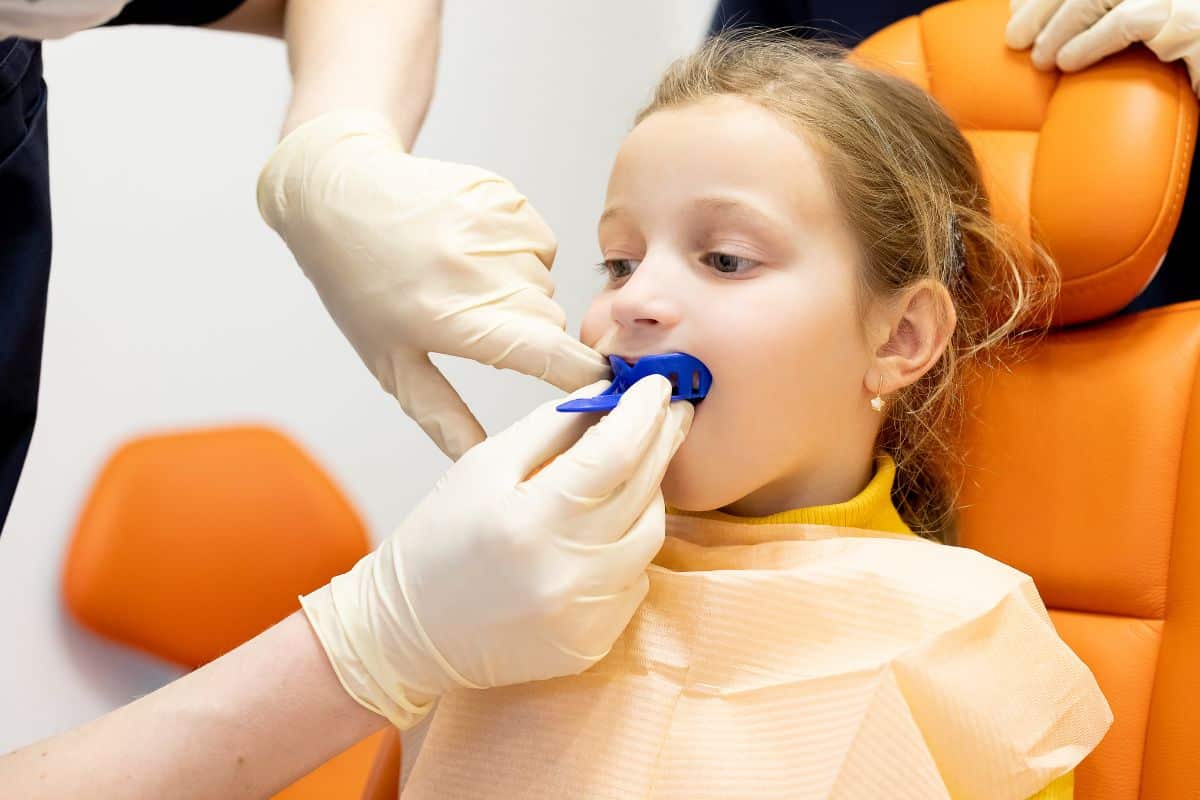
Once applied, the sealant creates a protective barrier that blocks bacteria and plaque from settling into these grooves. The treatment is quick, comfortable, and does not require drilling or numbing.
Most children benefit from sealants soon after their permanent molars erupt, usually around ages six and twelve. Applying them at the right time gives these teeth added protection during the years when cavities are most common.
What Are Fillings?
Unlike sealants, fillings are used after a cavity has already formed. During the procedure, the decayed portion of the tooth is removed before the tooth is restored with a durable filling material. Modern tooth colored fillings are designed to blend naturally with surrounding teeth while restoring strength and function. Although fillings are highly effective, they cannot replace the natural tooth structure that has already been lost to decay.
For this reason, dentists always prefer preventing cavities whenever possible rather than treating them after they develop.
Dental Sealants and Fillings Compared
Although both treatments help protect your child’s smile, they serve very different purposes.
| Dental Sealants | Fillings |
|---|---|
| Prevent cavities before they begin | Repair teeth affected by decay |
| Placed on healthy teeth | Used after a cavity develops |
| No drilling is needed | Requires removal of decayed tooth structure |
| Comfortable and noninvasive | May require local anesthesia |
| Helps preserve natural enamel | Restores damaged teeth |
The biggest difference is simple. Sealants stop problems before they begin, while fillings fix problems that already exist.
Which Option Is Better for Long Term Oral Health?
When healthy teeth can be protected before decay develops, children often avoid more extensive treatment in the future. That is why preventive dentistry focuses on keeping natural tooth structure intact for as long as possible. Dental sealants can remain effective for several years when they are properly maintained. During routine dental visits, the dentist checks each sealant to ensure it continues protecting the tooth. If necessary, it can be repaired or replaced with minimal effort.
Parents who want to learn more about the long term durability and longevity of dental sealants often find that regular checkups and good home care play a major role in how long they remain effective. Fillings are also durable, but they experience normal wear over time. Depending on the child’s oral habits and cavity risk, a filling may eventually need replacement if it becomes worn or if new decay forms around it.
Why Dental Sealants Are a Smart Preventive Choice
Children are still developing good brushing habits, and the deep grooves on their molars can be difficult to clean thoroughly. Sealants provide additional protection in areas where toothbrush bristles cannot always reach.
Some of the biggest benefits include:
- Lower risk of cavities in permanent molars
- Protection for vulnerable chewing surfaces
- A fast and comfortable procedure
- No drilling or injections
- Preservation of healthy tooth enamel
- Reduced need for future restorative treatment
When combined with daily brushing, flossing, fluoride toothpaste, and routine dental visits, sealants become an important part of preventive dental care.
When Does a Child Need a Filling Instead?
Even with excellent oral hygiene, some children still develop cavities. When decay has already damaged a tooth, a filling becomes the appropriate treatment.
Your child may need a filling if they have:
- A visible cavity
- Tooth sensitivity or pain
- A dark spot or hole in the tooth
- Decay discovered during a routine dental examination
- Damage caused by untreated plaque buildup
Treating cavities early helps prevent the decay from spreading deeper into the tooth, where more extensive procedures may become necessary.
Can Children Benefit From Both Treatments?
Absolutely. Many children receive both sealants and fillings during different stages of their dental care.
For example, one tooth may require a filling because decay has already developed, while healthy molars can receive sealants to prevent future cavities. Every child has unique dental needs, so treatment recommendations are based on cavity risk, oral hygiene habits, diet, and the condition of each individual tooth.
How Parents Can Help Sealants Last Longer
Although sealants are highly durable, good oral hygiene helps maximize their effectiveness.
Parents can encourage children to:
- Brush twice each day using fluoride toothpaste.
- Floss every day.
- Limit sugary snacks and beverages.
- Avoid chewing on hard objects such as ice.
- Visit the dentist every six months for regular examinations.
Routine dental visits allow the dentist to monitor the condition of each sealant and confirm that it continues protecting the tooth.
Why Preventive Care Matters
Preventive care is always easier than restorative treatment. Protecting healthy teeth before decay develops helps children avoid discomfort, preserve more natural tooth structure, and reduce the need for future dental procedures.
Families looking for dental sealants for kids in West Jordan often discover that early preventive care provides lasting benefits that continue well into adolescence. Regular dental visits also allow developing concerns to be identified before they become more serious.
Conclusion
Both dental sealants and fillings have important roles in children’s oral health, but they are not interchangeable. Sealants protect healthy teeth from developing cavities, while fillings restore teeth that have already experienced decay. Whenever possible, preserving healthy enamel through preventive care offers the greatest long term benefit.
If you would like to know whether your child is a good candidate for dental sealants or needs treatment for an existing cavity, schedule an appointment with Clubhouse Pediatric Dentistry. A comprehensive evaluation can help determine the most appropriate treatment plan to keep your child’s smile healthy and protected.
Frequently Asked Questions
Are dental sealants worth it for children?
Yes. Dental sealants help protect the chewing surfaces of permanent molars where cavities are most likely to develop. They are a simple preventive treatment that can reduce the risk of tooth decay during childhood.
How do I know if my child needs a filling instead of a sealant?
A sealant is recommended for healthy teeth that are at risk of cavities. If decay has already formed, a filling is needed to remove the damaged portion of the tooth and restore its function. A dental exam can determine which treatment is appropriate.
How long do dental sealants usually last?
With proper oral hygiene and regular dental checkups, dental sealants can last for several years. During routine visits, the dentist will check the sealants and repair or replace them if necessary.
Can dental sealants be placed on baby teeth?
In some cases, yes. If a baby tooth has deep grooves and is expected to remain in the mouth for several years, a pediatric dentist may recommend placing a sealant to help prevent cavities.
Do children still need to brush and floss after getting dental sealants?
Absolutely. Dental sealants protect only the chewing surfaces of certain teeth. Daily brushing, flossing, a balanced diet, and routine dental visits are still essential for maintaining good oral health.